The Cars
The fastest production-based race cars on earth — GT3 and GT4, raced together as a single multi-class field.
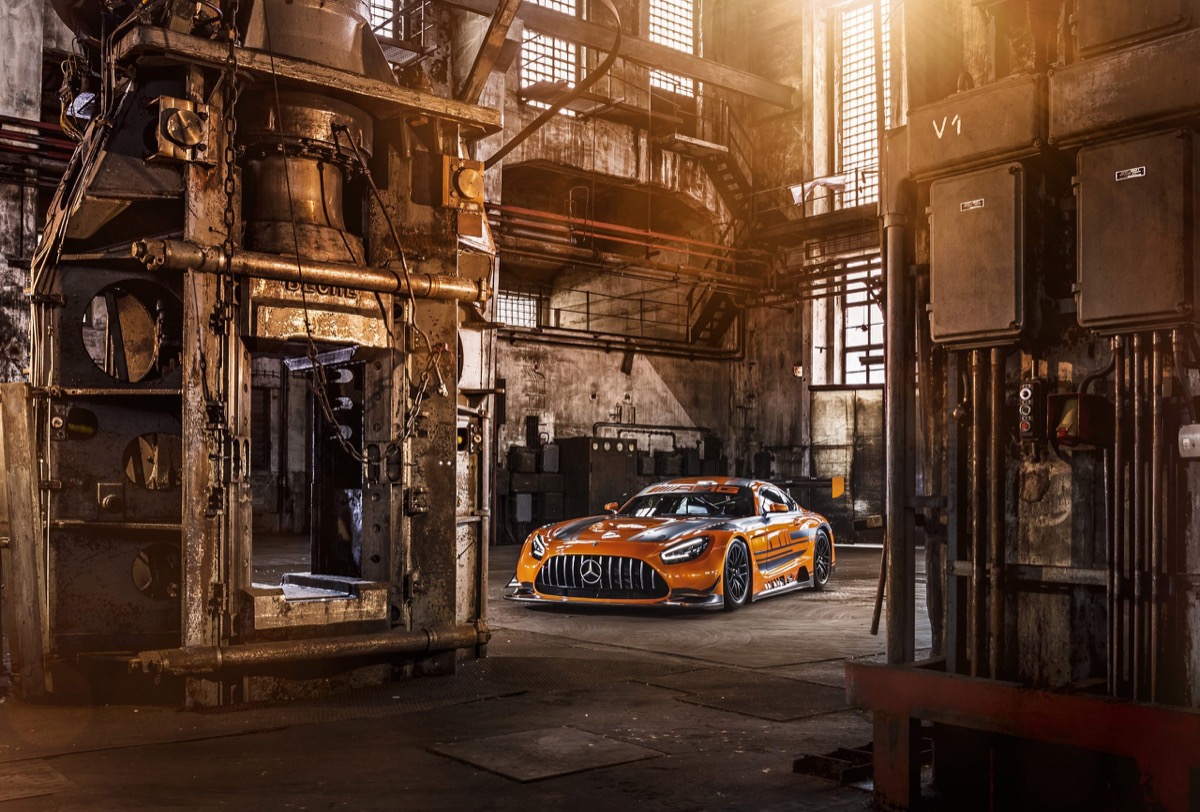
Roughly 500–600 horsepower, built to a single balanced specification so every marque can win. The headline class — Porsche, Mercedes-AMG, McLaren, Ferrari, Aston Martin, Lamborghini, BMW, Audi and more, all on the same grid.
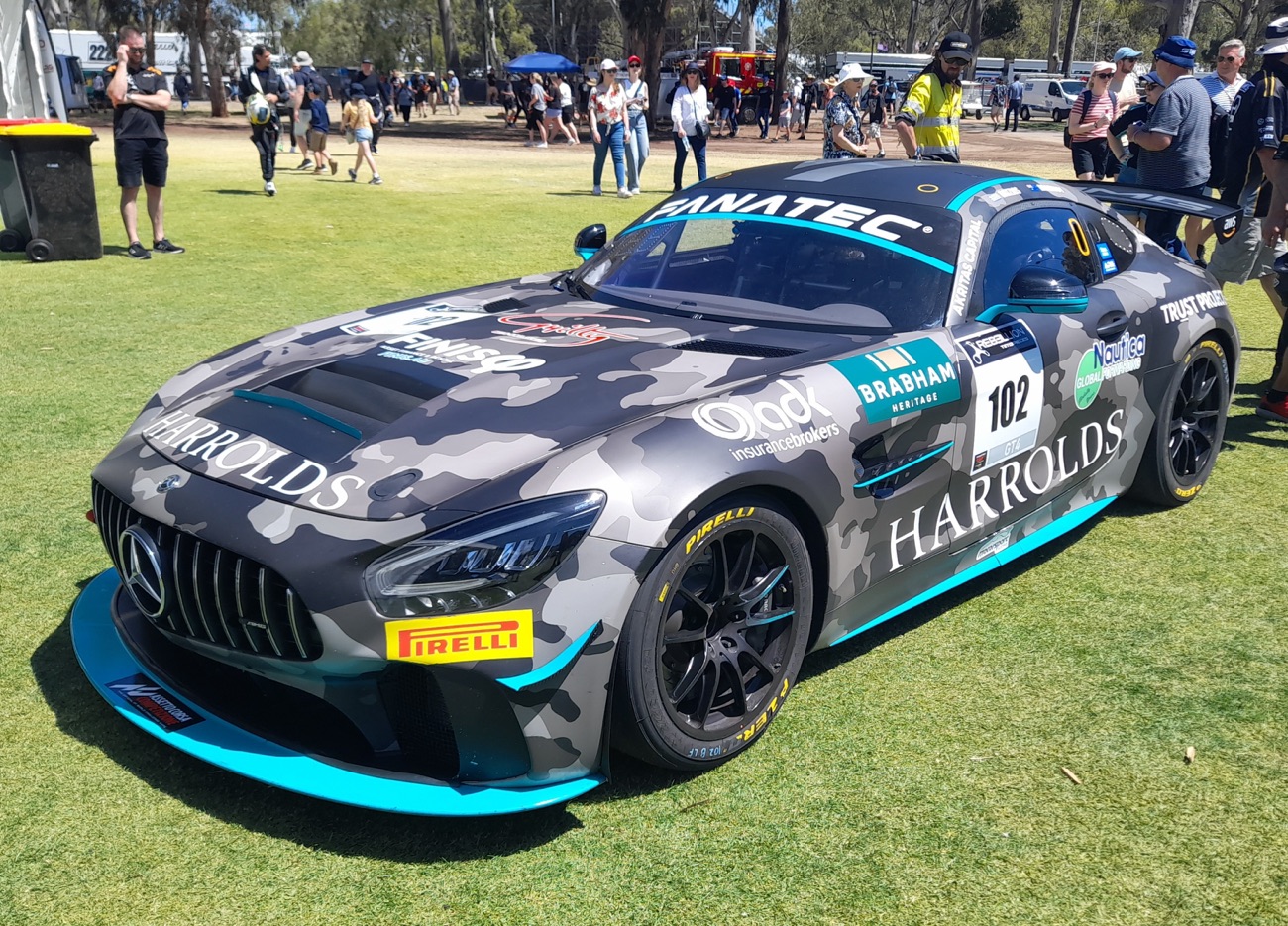
Closer to the road cars they're based on, materially cheaper to buy and run — and the class where countries take the grid. GT4 entries carry flags: drivers race for their nation, every point counts toward the Nations Trophy, and the accessible cost is exactly what lets the world show up.
Two Classes,
Racing Together.
Running GT3 and GT4 on the same track is the proven format of the world's best sports-car racing — GT World Challenge, IMSA and British GT all do it. Here the two classes carry two identities: GT3 is the apex — the teams and owner-drivers the sport knows and loves; GT4 is the nations — drivers on the grid for their flag. Two title fights on every circuit: the drivers' championship, and the country standings of the Nations Trophy.
Anyone Can Win
BoP equalises the cars so the driver and the team decide the result, not the chequebook or the badge. It is why GT3 grids are the most competitive in the world.
The Brands You Know
The Championship is built to field the manufacturers people recognise — the same cars that win Le Mans, Daytona and the Nürburgring, in the hands of owner-drivers.
Your Car, Your Colours
Owner-drivers run their own cars in their own liveries. The car on the grid is yours — not a logo on someone else's.
Race For Your Flag
The GT4 grid is where countries take the field — one entry, one nation, a crew of drivers sharing the flag on the car. Two tables from the first green flag: the GT3 drivers' title and the nations', with a $500K Nations Champion's Fund to the winning country's program each season. The sport that never had a World Cup starts keeping the score that builds one.